
Products & Services
Curated data, models built on it, and tools that use both
Everything below is in production today, drawn from the same knowledgebases our clients have relied on since 2003.
Knowledgebases
Hand-curated structure-activity data, released quarterly, with the validation set that goes with it.

Kinase Knowledgebase (KKB)
The first gene-family wide capture of published kinase structure-activity and synthesis data. Over 4.5 million biological activity points across 587 kinase targets, curated from journals and patents rather than scraped.
Explore the KKB →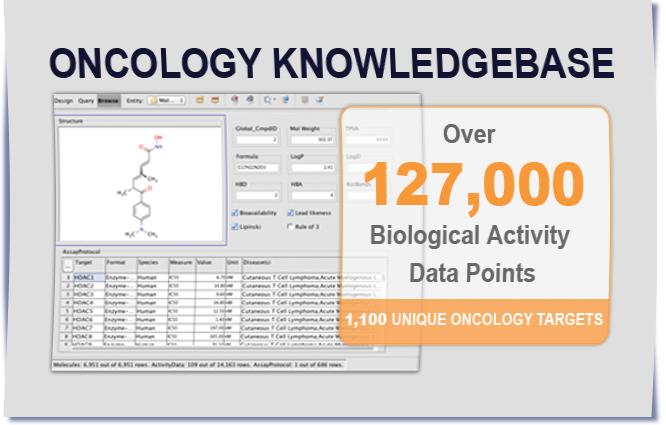
Oncology Knowledgebase (OKB)
The same curation discipline applied across targets of oncological interest, complementing the KKB over a broad spectrum of cancer biology.
Explore the OKB →
Kinase Validation Set
258,000 structure-activity points and 76,000 unique structures across eight kinase targets, extracted from the KKB and released freely so methods can be validated against curated data rather than whatever can be scraped. Published as a peer reviewed data note.
Download the datasets → Read the data note, version 3 →ChIP™ de novo design
Designs that arrive with the synthetic route that makes them.
ChIP™ de Novo Design
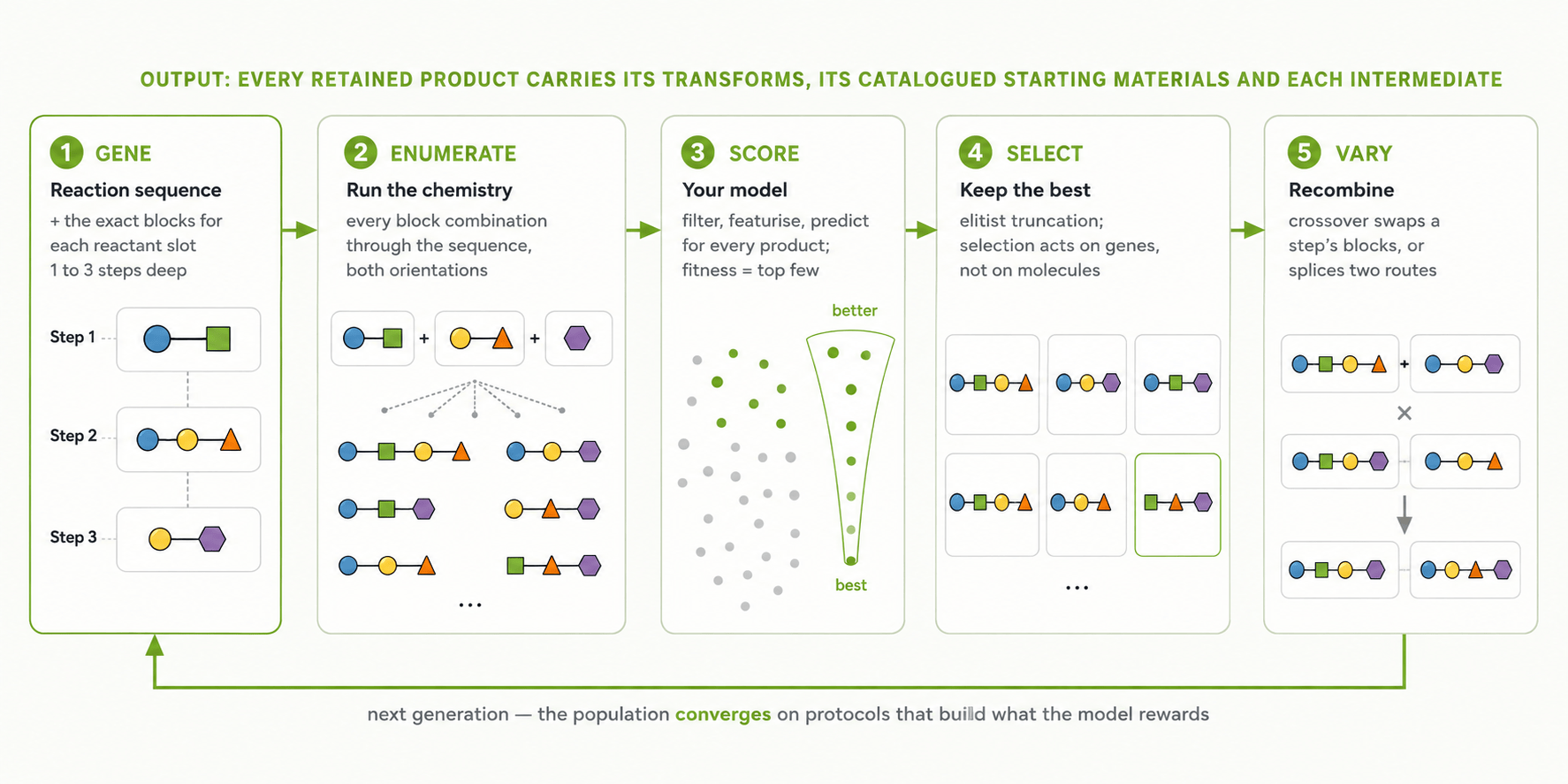
A genetic algorithm over reaction space. Every molecule it proposes arrives with the synthetic route that makes it, built from cataloged starting materials, so a design is orderable rather than merely drawable.
How ChIP works →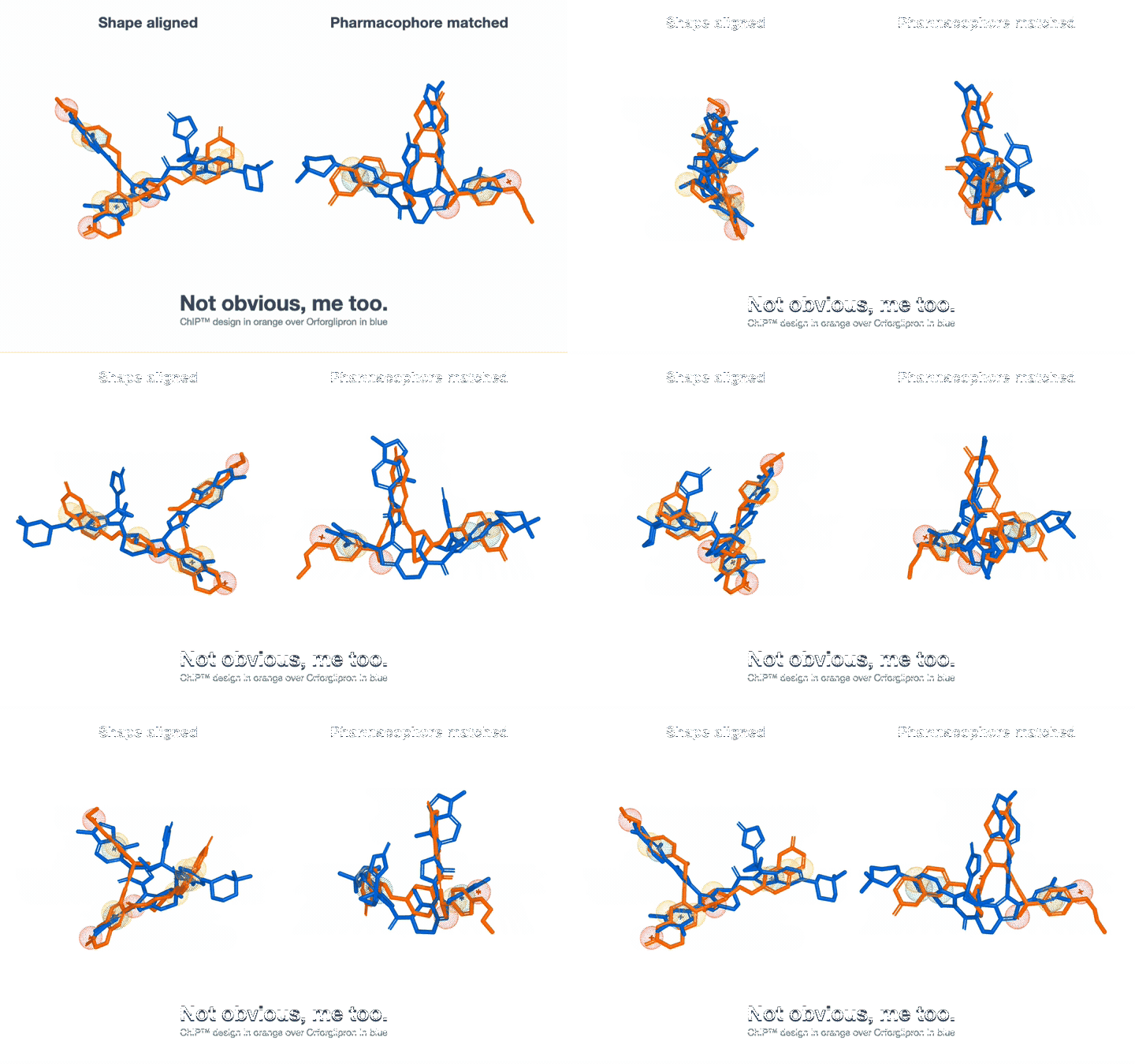
Worked campaigns
Two complete examples: a random-forest potency objective across kinase targets, and a non-obvious me too campaign against a published reference drug. Structures, routes and scores throughout.
See a campaign →Foundation models
Trained on our curated data, and evaluated in the open.

Family Foundation Model
The broad instrument. Two separately fitted models over one roster spanning 34 protein families: which of two compounds a target prefers, and which of two targets a compound prefers, from different families or from one family. Trained on ChEMBL 37 alone, so the weights are freely downloadable. 0.71 on 65,725 held-out comparisons over 2,079 targets, and over 2,279 targets 0.75 on 8,689 comparisons between two families and 0.78 on 32,738 within one. The two models below are family deep dives beside it.
familyfoundationmodel.com →Code and extension tools on GitHub →
Watch the overview on YouTube →

GPCR Foundation Model
A deep dive into one family. The same two questions asked of G protein-coupled receptors: which of two ligands is more potent at one target, and which of two targets a ligand prefers. Built on ChEMBL together with Eidogen-curated GPCR data, it is right 0.77 of the time on potency and 0.80 on selectivity over held-out comparisons, rising to 0.94 and 0.93 on the confident calls. Accuracy is measured and published for each of the 235 targets with held-out potency data and the 211 with held-out selectivity data.
gpcrfoundationmodel.com →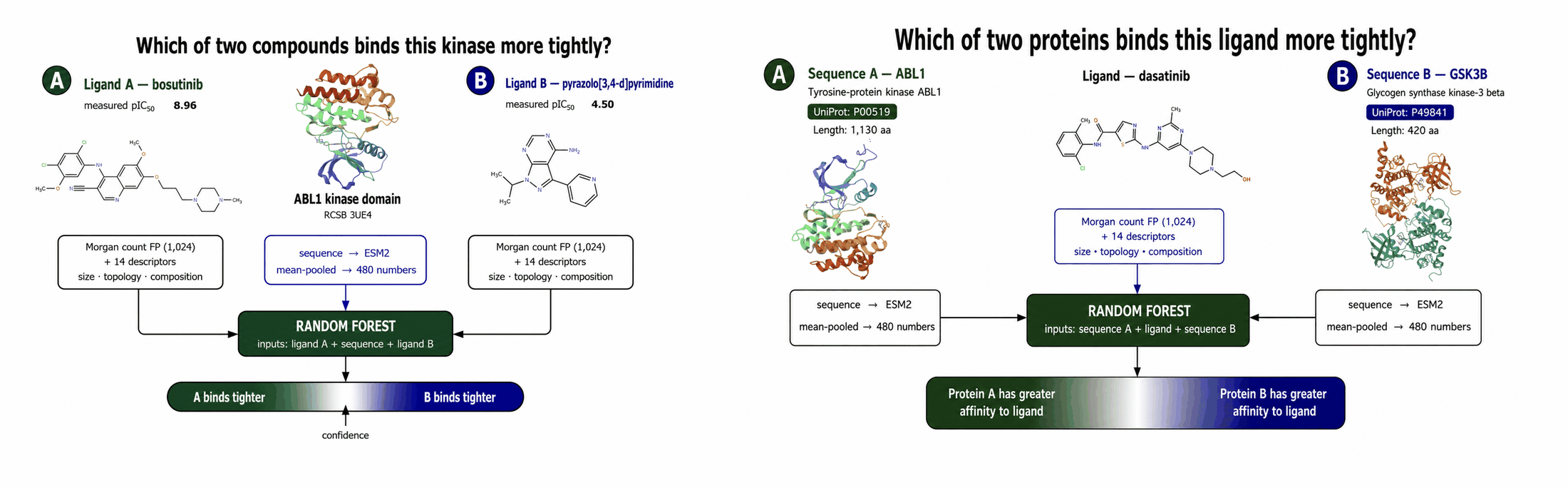
Kinase Foundation Model
A deep dive into one family. Two models that rank rather than score: which of two ligands a kinase prefers, and which of two kinases a ligand prefers. Primary measurements come from the Eidogen-Sertanty Kinase Knowledgebase, with ChEMBL used to cross-validate rather than to train. Reframing the question the way the workflow actually asks it multiplies the usable training data.
kinasefoundationmodel.com →
Models built from each release
Every quarterly release ships with activity classifiers across 390 kinase targets at a median ROC-AUC of 0.91, so the data arrives with a measured baseline rather than a promise.
Current release →PharmCast
Three-dimensional pharmacophore fingerprints from flat structure, without conformers.
PharmCast and PharmSim™
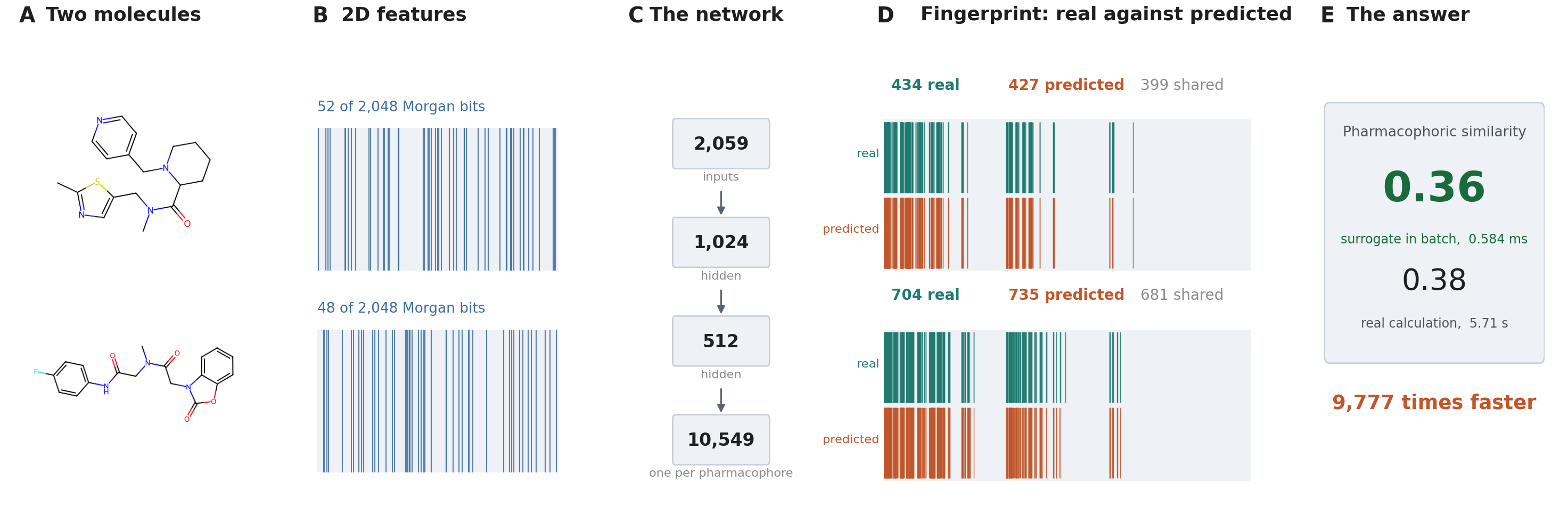
A full three-dimensional pharmacophoric comparison of two molecules in 0.584 milliseconds, from flat structure alone, against 5.7 seconds for the real calculation. It agrees with that calculation at Pearson 0.969.
How it works →Reverse Screen
Given a molecule, the proteins it might interact with.
Reverse Screen
Given a molecule, which proteins might it interact with. Every co-crystal ligand in the Protein Data Bank is indexed by the pharmacophore fingerprint PharmCast predicts from flat structure, so a query is fingerprinted in 4 milliseconds and compared against all 28,007 in 40, and docking runs only on what retrieval returns rather than on 40.5 hours of everything.
Screen a molecule →Watch the overview on YouTube →
Contact Atlas
Every co-crystal ligand in the Protein Data Bank, searchable by the structure you draw.

Contact Atlas
The other question Reverse Screen answers. Rather than ranking the proteins a molecule might bind, this searches the co-crystal ligands themselves: draw a structure and get every ligand in the archive that contains it, matches it exactly, or resembles it by pharmacophore, and read what each one actually does in the site it was solved in. Each hit opens on its contact map, a flat drawing of the ligand ringed by the residues it touches, with the hydrogen bonds, salt bridges, pi stacking and cation to pi interactions measured from the deposited coordinates and the potency ChEMBL records for it. Search by name too, by drug name, trade name, research code or ChEMBL id.
Explore the Contact Atlas →cHIA
Percent human intestinal absorption, predicted from structure.

cHIA: Human Intestinal Absorption Model
In 1998 we published a model that predicted percent human intestinal absorption for 86 compounds from six molecular descriptors and a small neural network, on one division of the compounds. Repeating that division 250 times shows how fortunate it was: 236 of 250 draws are worse than the published cross-validation error, 249 are worse than the published external error, and none matches both. The descriptors themselves held up: given a modern learner on nine times the data they still reach a correlation of 0.63, and the properties they measured are what a free search over 1,301 descriptors selects today. The deployed absorption model uses 25 consensus descriptors and a random forest fitted on 780 compounds, and is right about whether a compound clears 30 percent absorption 92.60 percent of the time. The same procedure carries to cyclic peptides, with a model for permeability across an artificial membrane fitted on 7,298 peptides.
How the method works →Predict absorption at predicthia.ai →
Download the models and datasets →
ToxPred
What measured compounds resembling yours were found to do.

ToxPred
The consortium method we published in 2003, rebuilt on the public record that its proprietary data has since become. Structural neighbors vote: 92.1 percent of answers land within one log unit of the measured rat oral LD50, on the 1,336 of 1,994 held-out compounds that carry an exact value, against 94 percent reported in 2003. Applied unchanged to 28 further endpoints. Growing the voting reference set from 127 to 5,953 compounds moves the share answered for from 3.3 to 46.5 percent while accuracy rises from 85.4 to 90.9 percent by 610 compounds and then holds near 92 percent. A second signal reads cross-family reach, measured across the 27,910 ligands Reverse Screen indexed on 20 September 2026: a compound whose matches reach no protein family inhibits CYP3A4 2.5 percent of the time, one reaching sixteen or more 51.2 percent.
How the method works →Score a molecule at toxpred.ai →
Contribute measurements →
Structural evidence
What the deposited structures show, beside the same measurements the models are trained on. These are the figures the home page leads with, in full.

Kinase contact maps
What each Kinase Knowledgebase compound is actually doing in its pocket, measured from the deposited coordinates, for every compound with a matching Protein Data Bank structure. A new structure on every visit, and a button on each KKB search hit that has one.
Open this contact map →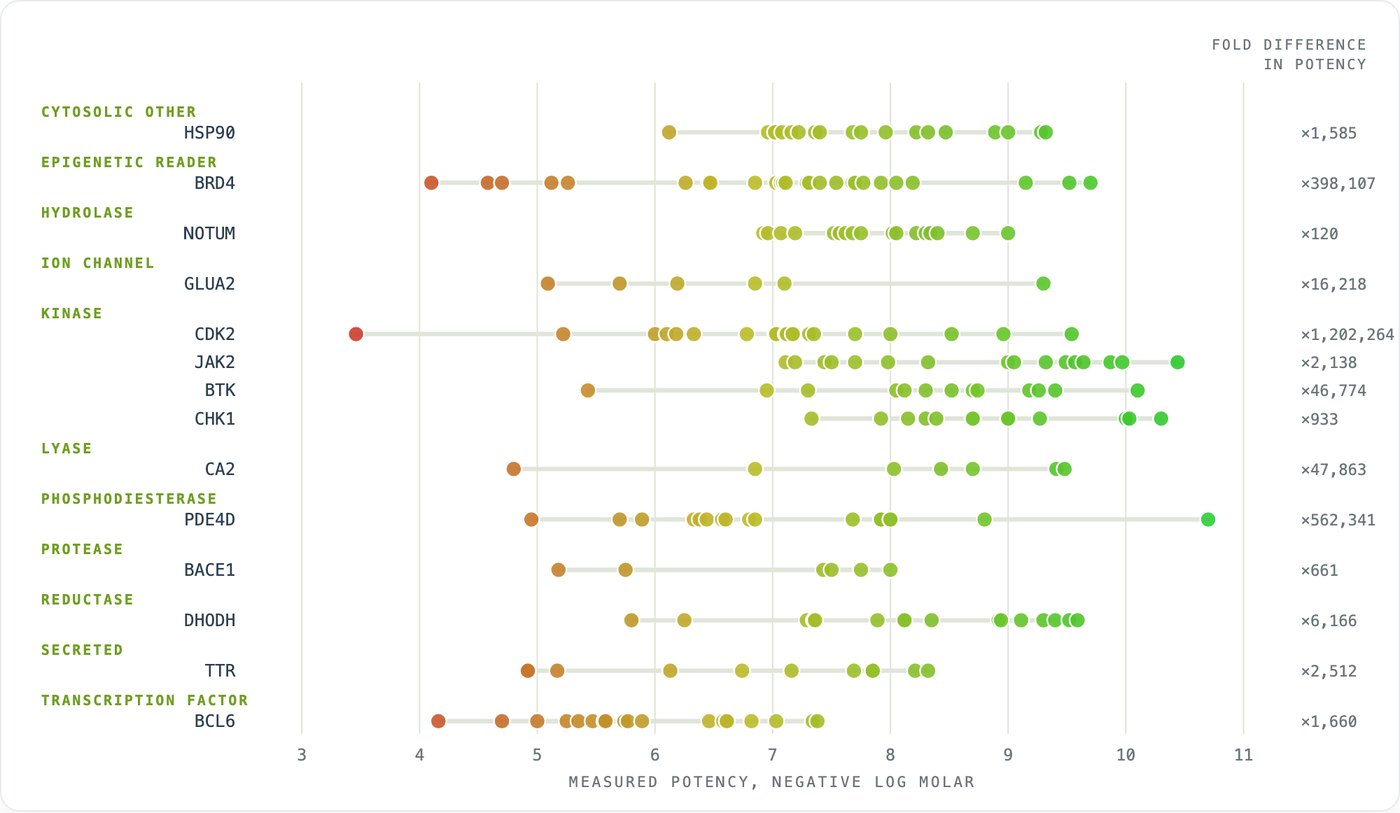
Bound is not necessarily potent
Every co-crystal ligand of a protein superposed into one frame with its measured potency. Within a single pocket the values span up to a millionfold, which is the reason a structure alone does not tell you what a compound is worth.
See the ladder →Reverse peptide mimetics
Short peptides that present the same pharmacophore as ligands observed bound in co-crystal structures. Every co-crystal ligand with a measured potency scored against all 3,368,420 capped peptides of one to five residues, with the forty closest pairs shown.
See the closest pairs →Loops that mimic drugs
The peptides above that occur as complete loops in real protein structures, shown in the conformation the loop actually adopts. 1,524,535 loops searched, drawn from the same corpus used to train PharmCast, every one from a protein unrelated to the original target.
See the loops →The data underneath
What the models learn from, characterized before they were trained, and how to compare it with your own.

Training Corpora
The commercial screening collection profiled compound by compound, plus a corpus of peptide loops read from protein structures. Composition, scaffold diversity, and an exhaustive all-against-all redundancy analysis.
Read the profile →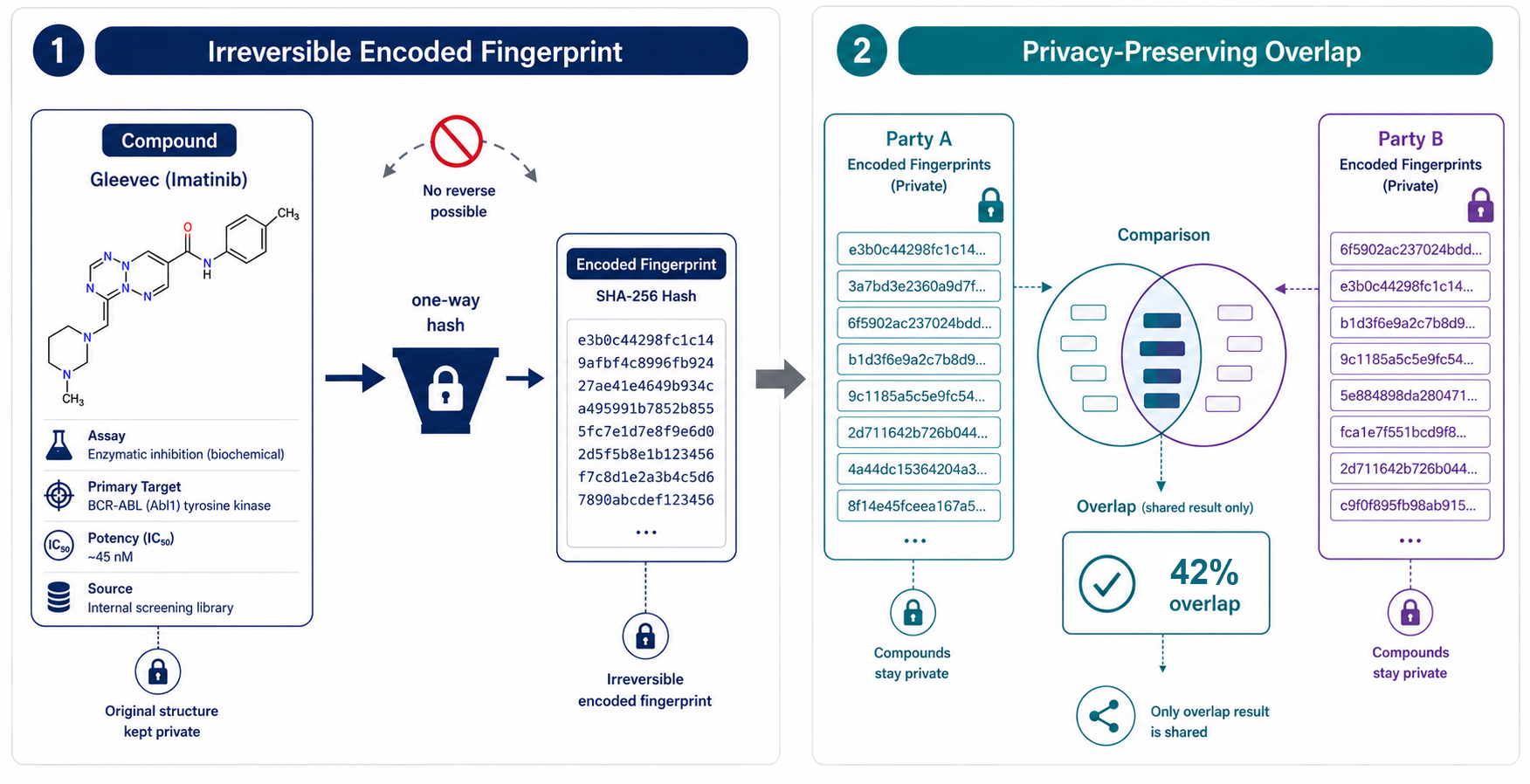
Dataset Overlap Analysis
How much of your internal collection already exists in ours, and how much is genuinely yours alone. Answered before you commit to a license.
How the comparison runs →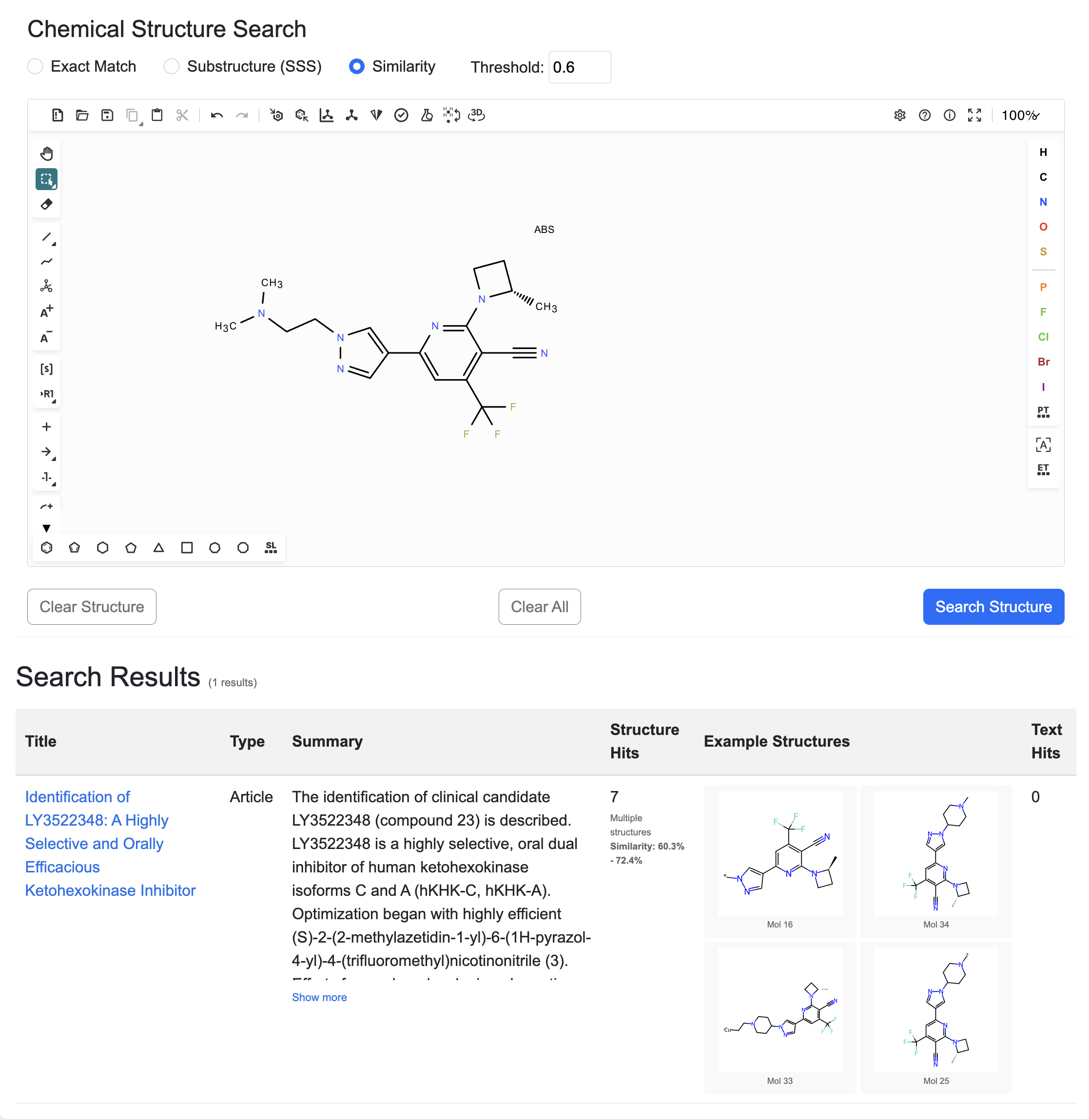
How the curation works
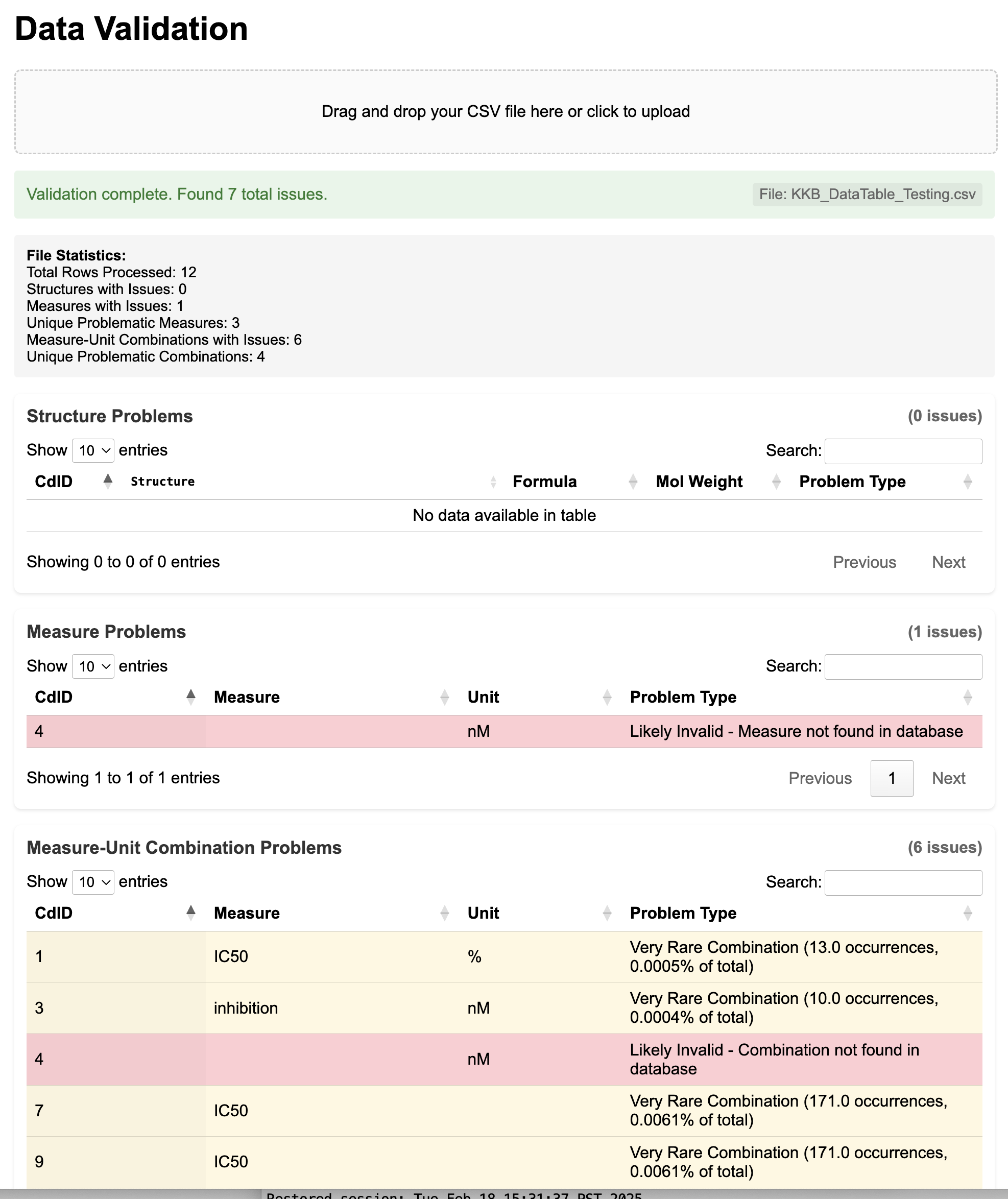
Content prioritization, entry, quality control and target classification. Every record is searched against what is already held, then validated before it enters a release. That process is behind every number in the knowledgebases.
Support and documentation →Proactive wellness
Drug discovery, data and software are most of what we do. These two mobile apps are the rest: a meal turned into data, for the person eating it.

Food Health
Food health tracking for iPhone and Android. Snap a photo or type a note and the app estimates calories, protein, carbs, fat and fiber in seconds. It reads activity, sleep and workouts from Apple Health, keeps an entry offline until a connection returns, captures readings from health devices, and shows nutrition reports and scatter plots over time. Data stays on the device by default.
foodhealthscan.com →


Food Health TxD
Spot the meals that spike you. AI carb estimation from a meal photo, overlaid on continuous glucose readings on one timeline, with a menu scanner that picks the lowest-carb options. Built for type 1, type 2 and prediabetes. It reads glucose from Apple Health and writes carbs back. For education and tracking only: it is not a medical device and gives no dosing advice.
foodhealthscan.com/txd →
Services
Collaborative projects
Our chemists, biologists and computational scientists work alongside your team, applying the same platforms to your targets and your compounds. Typical engagements include focused library design, collection triage against a reference, curation of a proprietary dataset into KKB structure, and model building on your internal data.
The method behind PharmCast is described in Muskal, S. M.; McGregor, M. J. PharmCast: rapid generation of three-dimensional pharmacophore fingerprints from two-dimensional structure without conformer generation. bioRxiv 2026, doi: 10.64898/2026.09.02.748999.